Skiing to Snowboard Transition at Kopaonik — Guide & Coaching for Skiers
Transitioning from skiing to snowboarding at Kopaonik is tailored for skiers who already have slope awareness and speed perception, but wish to safely learn lateral stance, centered weight distribution, and edge control with certified instructor Trajko Marinković (Ski Association of Serbia, Level 1). The methodology systematically transforms skier habits into balanced board control at an adaptable pace without artificial guarantees.
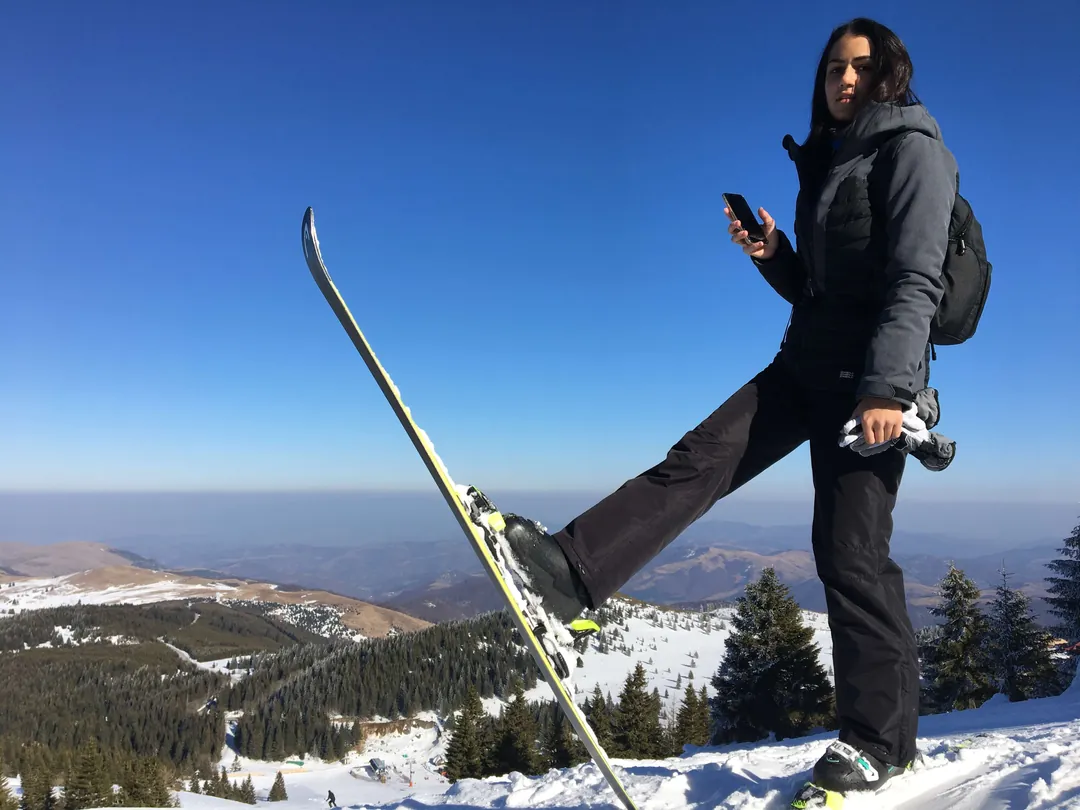
Skiers already understand snow texture, slope angle, and mountain speed. By consciously unlearning the reflex to lean back and mastering a lateral stance, switching to snowboarding is a smooth and safe progression.
Key takeaways
- Prior skiing experience provides a strong foundation in reading snow conditions, slope gradients, and speed.
- The main obstacle is the skiing reflex of leaning back to slow down, which causes an immediate fall on a snowboard.
- Transitioning from a chest-downhill frontal stance to a lateral side stance requires aligning shoulders with the board.
- Footwork shifts from independent leg movement to synchronized pressure with both feet locked to one deck.
- Lessons follow official standard packages (from €50), with progression pace tailored to individual responsiveness.
Best for
Skiers of all levels looking to transition to snowboarding, overcome counterproductive skiing instincts, and achieve clean board control at Kopaonik.
Comparative Breakdown: Skiing Instincts vs. Snowboarding Mechanics
A structured overview of stance differences, foot dynamics, and edge pressure addressed during coaching.
| Technical Element | Skiing Instinct / Habit | Snowboard Mechanics (With Trajko) | Why It Matters for Skiers |
|---|---|---|---|
| Center of mass (Weight distribution) | Leaning back onto the heels when feeling unsteady or seeking to slow down. | Weight remains centered with deliberate pressure directed toward the lead foot to initiate turns. | Leaning back on a snowboard unweights the nose, completely eliminates edge steerage, and triggers uncontrolled falls. |
| Shoulders & hips alignment | Upper body and chest remain square, facing straight down the fall line at all times. | Shoulders and hips remain strictly aligned along the longitudinal axis of the board (side stance). | Opening the torso downhill twists the snowboard, disrupts clean edge engagement, and forces unwanted tail washouts. |
| Footwork & leg movement | Legs operate independently (separate skis, independent inside and outside leg weighting). | Both feet are locked to a single platform, working in synchronized coordination through the bindings. | Skiers must embrace locked-in feet and use knees, hips, and ankles as an integrated, fluid suspension unit. |
| Visual line of sight | Looking straight downhill between the ski tips. | Leading with the eyes over the front shoulder in the anticipated direction of the turn radius. | On a board, head rotation leads the shoulders, shoulders steer the pelvis, and the pelvis applies directional edge force. |
| Braking & stopping mechanics | Braking by wedging ski tails into a snowplow or performing a quick parallel skid. | Progressive edge modulation on toe edge (shins) or heel edge from an athletic, low athletic stance. | Snowboard stopping requires bent knees and controlled edge angle modulation without catching the downhill edge. |
Illustrative 120-Minute Lesson Outline
A flexible coaching model adapted by the instructor based on your alpine background and physical conditioning.
First 20 min: Gear familiarization, binding orientation, and lateral stance setup vs skiing habits.
Middle 60 min: Side slipping, edge pressure modulation, and unlearning the rear-weight instinct.
Final 40 min: Linked turn initiation and controlled stops matched to individual responsiveness.
Instructor Technical Insight
The single biggest hurdle for experienced skiers is the subconscious reflex to pull their weight back onto their heels when speed picks up. While back-weighting on skis might scrub some momentum, on a snowboard shifting weight off the front foot instantly releases the nose contact point and strips away all steering control. Our initial focus is building unwavering confidence in an athletic forward-centered stance.
Official Lesson Packages for Skiers
Transition coaching uses standard official lesson packages (1h to 8h). No hidden fees, with progression pace tailored to your learning curve.
| Paket / Trajanje | Ciljni Nivo | Uključeno | Cena |
|---|---|---|---|
| Trial Lesson (1h) | Početni stav / evaluacija | 1-na-1 rad, provera opreme, navikavanje na bočni stav | €50 |
| ★ Starter Package (3h) | Osnovni paket tranzicije | 3 sata rada na kontroli ivica, kočenju i rasterećenju skijaških refleksa | €140 |
| Intensive Block (4h) | Intenzivno povezivanje zavoja | Brzo prebacivanje težine, stabilnost u kretanju i prvi S-zavoji | €185 |
| Kurs Usavršavanja (5h) | Samostalno vođenje po stazama | 5 sati napredne tehnike, karving osnove i video analiza | €225 |
| Celodnevna Tura (8h) | Celodnevni planinski transfer | 8 sati rada na stazama Kopaonika uz optimalan izbor nagiba | €350 |
A certified helmet is mandatory. The instructor demonstrates body mechanics and adapts drills step by step, choosing slopes based on daily conditions.
Dolina Sportova near the Karaman Greben lift base (or another beginner area suited to mountain conditions).
Frequently Asked Questions About Transitioning from Skis
Is it harder to learn skiing or snowboarding?
How long is a single snowboard lesson?
How many days to learn snowboarding?
How much does a snowboard instructor cost at Kopaonik?
Related Programs & Mountain Guides
Explore our other coaching packages and read verified mountain tips from instructor Trajko.
Other specialized snowboard programs
Adult Beginners
Overcome fear and master fundamentals at your own comfortable pace.
Carving Masterclass
Master dynamic edge hold and control on steep groomed terrain.
Private vs Group Lessons
An honest breakdown of coaching focus, learning pace, and value.
Recommended mountain guides
Best Beginner Snowboard Slopes at Kopaonik
Guide through gentle Mašinac and Krst slopes — ideal terrain for a smooth ski-to-snowboard transition.
Ultimate Snowboard Guide to Kopaonik
Everything about snowboard rentals, binding stance adjustments, and planning your stay at Kopaonik.