Snowboarding in Fog and Ice on Kopaonik — Safety Advice from an Instructor
Snowboarding in variable mountain conditions at Kopaonik — from thick fog and flat light to icy hardpack and wet spring slush — demands posture adaptation, precise edge angle control, and smart terrain selection. Certified instructor Trajko Marinković assesses real-time slope conditions, tailors drills to safe, open slopes, and prioritizes conservative decision-making — pausing or rescheduling lessons whenever visibility or surface conditions compromise rider safety.
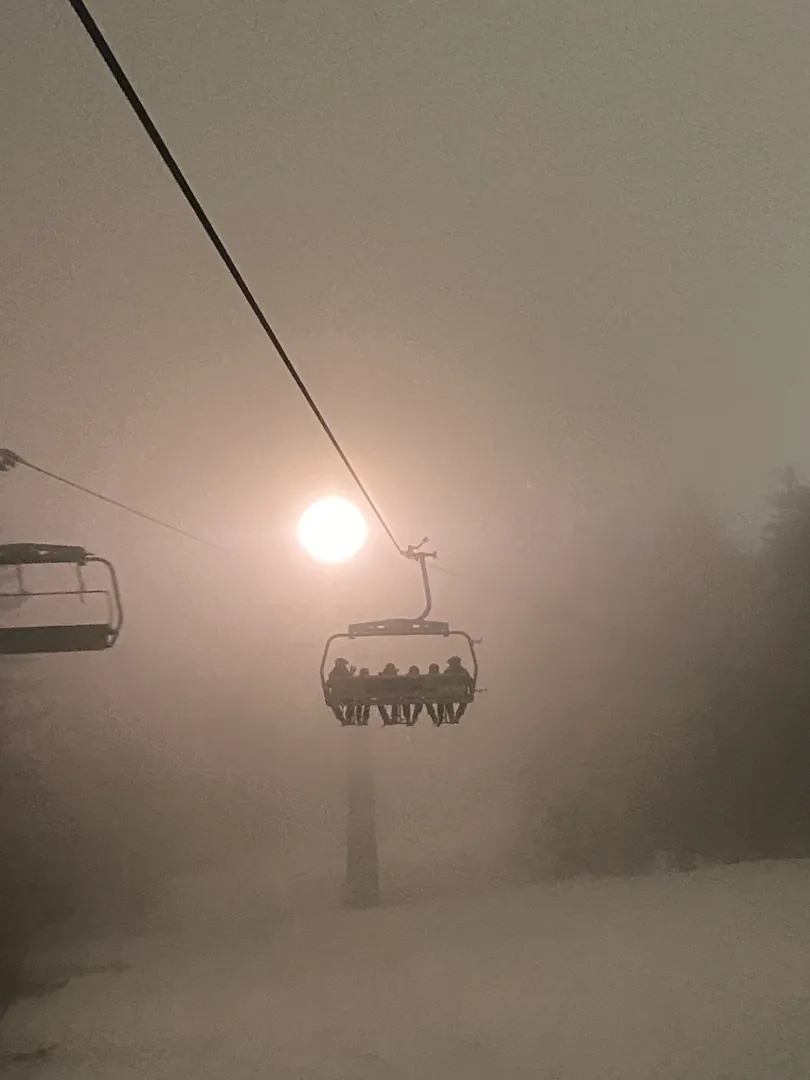
Mountain conditions on Kopaonik can shift within thirty minutes: blue skies at the peak can quickly turn into thick fog, and soft snow can glaze into icy hardpack. Safe snowboarding does not come from pushing through bad weather at all costs, but from conservative evaluation, adapting stance and edge pressure, and knowing when to adjust or conclude a lesson responsibly.
Key takeaways
- Conservative safety assessment: Riding is never forced at all costs — decisions to adapt terrain, reduce speed, or postpone a lesson are made responsibly based on real-time mountain conditions.
- Technical adjustment for firm & icy snow: On hardpack or icy slopes, riders lower their center of mass, avoid aggressive edge jamming, and apply smooth, progressive pressure through both feet.
- Fog & flat light orientation: Low visibility demands controlled speeds, scanning visual reference points (tree lines, piste markers), and wearing high-contrast lenses suitable for variable light.
- Managing fresh powder & spring slush: Deep snow requires centered, balanced weight and wide turn radiuses, while heavy spring snow demands speed maintenance and active leg dampening.
- Terrain selection guided by an instructor: Your instructor monitors ski resort operations and slope statuses to identify accessible, appropriate slopes matched strictly to your skill level.
Best for
Snowboarders of all experience levels seeking practical coaching on how to safely navigate fog, hardpack, fresh snow, and spring slush on Kopaonik under professional guidance.
Safe Riding Adjustments for Changing Weather and Snow Conditions
A practical breakdown of specific challenges, coaching adjustments, and safety thresholds.
| Weather / Snow condition | Primary rider challenge | What the coach assesses & adjusts | When to slow down, switch slopes, or pause |
|---|---|---|---|
| Firm hardpack or icy slopes | Sudden loss of edge grip, uncontrolled acceleration, and difficulty coming to a complete stop. | Coaches lower center of mass, gentle progressive edge angles, and even foot pressure without abrupt jamming. | Reduce speed significantly; avoid steep pitches; if an entire run is sheet ice, relocate to sunnier or gentler terrain. |
| Fog and flat light (low visibility) | Loss of depth perception, inability to see micro-terrain contours, and open-slope disorientation. | Guides rider along visual reference points (tree lines, piste markers), verifies high-contrast goggle lenses, controls pace. | Ride only at speeds permitting immediate stops within visible distance; end the session if zero-reference whiteout occurs. |
| Fresh powder and deeper snow | Increased drag, board nose diving if weight is too centered or forward, and rapid leg fatigue. | Calibrates centered-yet-dynamic balance without exaggerated leaning back; teaches wider, flowing turn radiuses. | Maintain momentum through flats so the board does not stall; stay strictly on open designated runs. |
| Spring slush and heavy wet snow | Sticky suction-like resistance, abrupt speed changes when transitioning from shadow to sun, risk of tipping over nose. | Drills active knee dampening to absorb sudden deceleration, checks board wax condition, regulates speed. | Anticipate transition zones between sun and shade; stop riding once muscle fatigue impedes safe edge control. |
Sample 120-minute lesson outline adapted to conditions
An adaptable blueprint designed to prioritize on-mountain safety above all else.
First 20 min: Assessing conditions, visibility and gear; aligning realistic expectations and setting a conservative plan.
Middle 60 min: Controlled progressive drills on open, safe terrain, continuously fine-tuning edge pressure and stance.
Final 40 min: Reviewing learned techniques, checking physical fatigue, and responsibly deciding whether to continue or finish.
Conservative risk evaluation and sensory motor adaptation
The most dangerous instinct in difficult weather is trying to ride with the same speed and aggression as on a sunny groomed day. When visibility drops or an icy sheet appears, riders naturally stiffen their joints. On a snowboard, locked knees transmit every shock directly to the edge, breaking snow contact instantly. A certified instructor trains riders to keep knees supple as active shock absorbers, shorten turn arcs, and match speed strictly to the visual horizon.
Official Lesson Rates
Lessons follow official standard packages (from €50/1h). There are no hidden weather surcharges; rider safety is always the paramount priority.
Trial Lesson
Starter Package
Intensive
Full Course
Mountain Tour
Frequently Asked Questions About Fog, Ice & Bad Weather
What happens if weather conditions are bad at Kopaonik?
How is the weather at Kopaonik in March for learning snowboarding?
What are the best beginner snowboard slopes at Kopaonik?
What clothing and gear do I need for a snowboard lesson?
Related Programs & Mountain Guides
Explore our other coaching packages and read verified mountain tips from instructor Trajko.
Other specialized snowboard programs
Adult Beginners
Overcome fear and master fundamentals at your own comfortable pace.
Carving Masterclass
Master dynamic edge hold and control on steep groomed terrain.
Safe Start & Overcoming Fall Anxiety
Learn foundational board control with a calm progression pace, protective gear, and safe fall mitigation mechanics.
Recommended mountain guides
Ultimate Snowboard Guide to Kopaonik
Everything about Kopaonik microclimate, monitoring lift status, and smart session planning.
Season Prep Guide: Gear & Lens Selection
Tips for contrast goggle lenses for fog, thermal layering, and wind protection on the mountain.